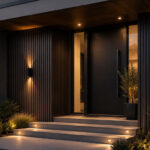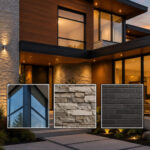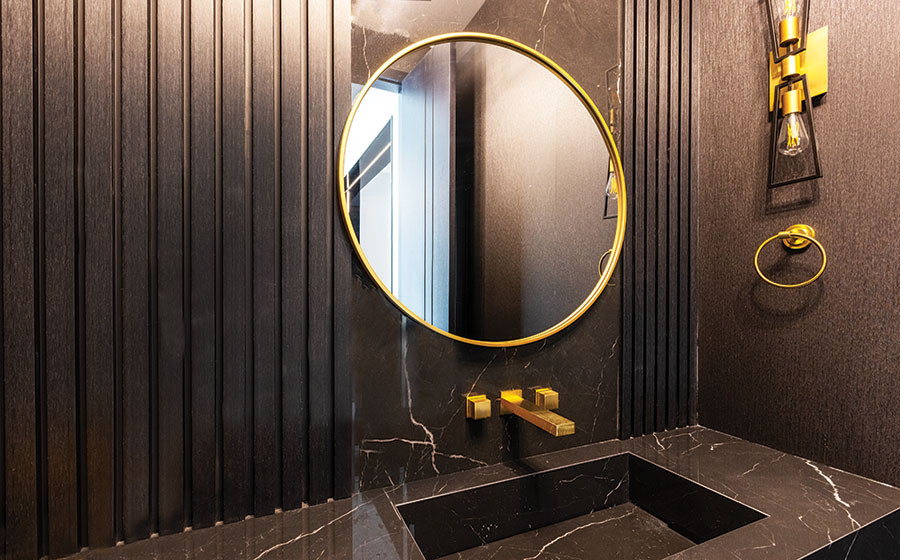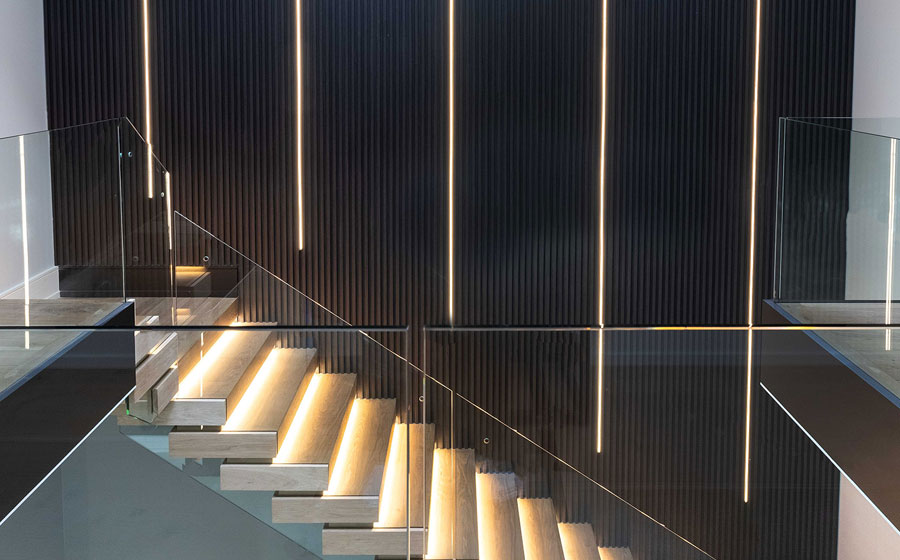
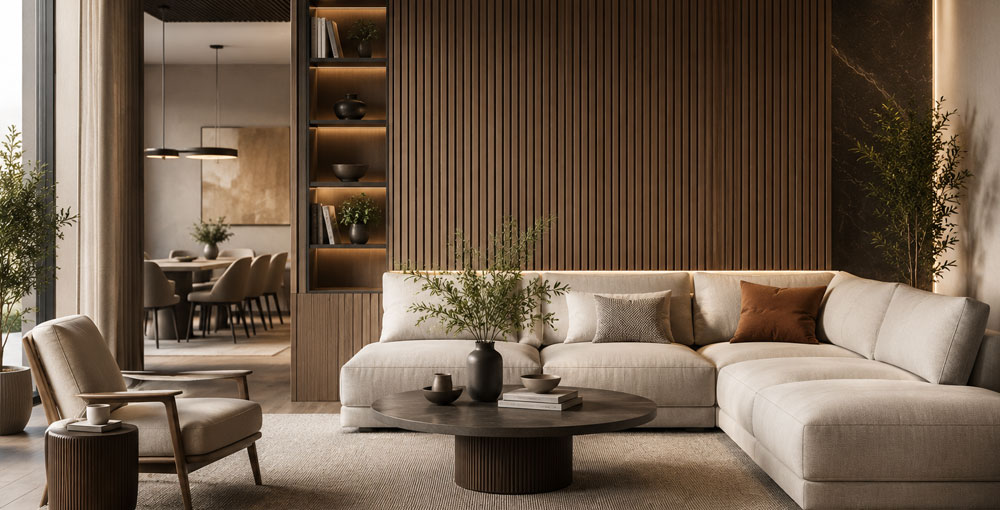
Wood-Plastic Composite (WPC) panels have emerged as a versatile and innovative material in modern design, offering far more than a simple alternative to traditional wood finishes. While they retain the warmth and texture associated with natural wood, WPC panels introduce new possibilities in durability, flexibility, and creative expression. This essay explores how WPC panels are redefining interior and exterior spaces by moving beyond conventional applications and becoming a key element in contemporary design.
A New Design Material, Not Just a Substitute
WPC panels are often initially perceived as a replacement for natural wood, but their true value lies in their ability to function as a distinct design material. Unlike traditional wood, WPC panels can be manufactured in a wide range of textures, colors, and finishes that go beyond what natural materials can offer. This allows designers to experiment with bold patterns, seamless surfaces, and consistent aesthetics across large spaces, making WPC an ideal choice that prioritize both creativity and uniformity.
Enhanced Durability for Everyday Living
One of the most significant advantages of WPC panels is their superior durability. Resistant to moisture, warping, and pests, these panels are well-suited for environments where traditional wood may fail. This makes them particularly valuable in high-traffic areas such as commercial spaces, kitchens, and hallways. Designers can confidently incorporate WPC into their projects knowing that it will maintain its appearance and structural integrity over time, reducing the need for frequent maintenance or replacement.
Versatility in Applications and Design Styles
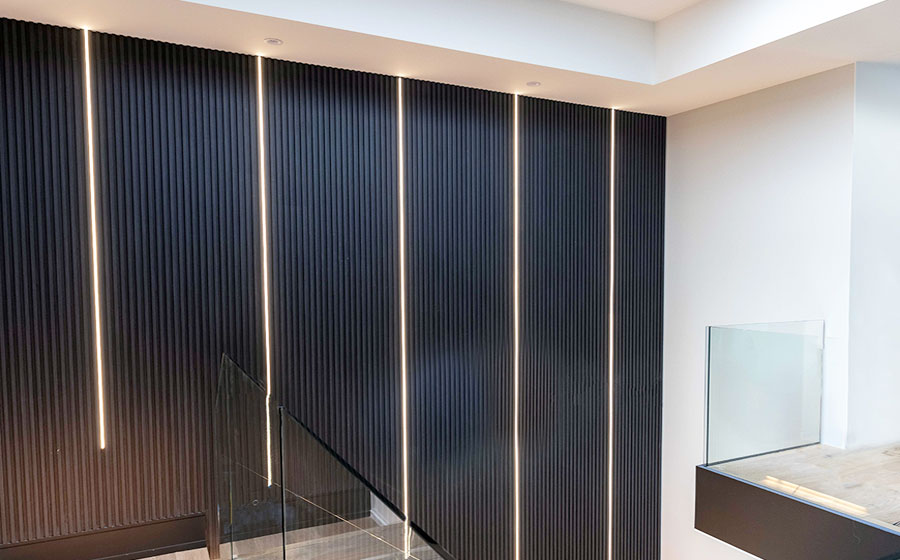
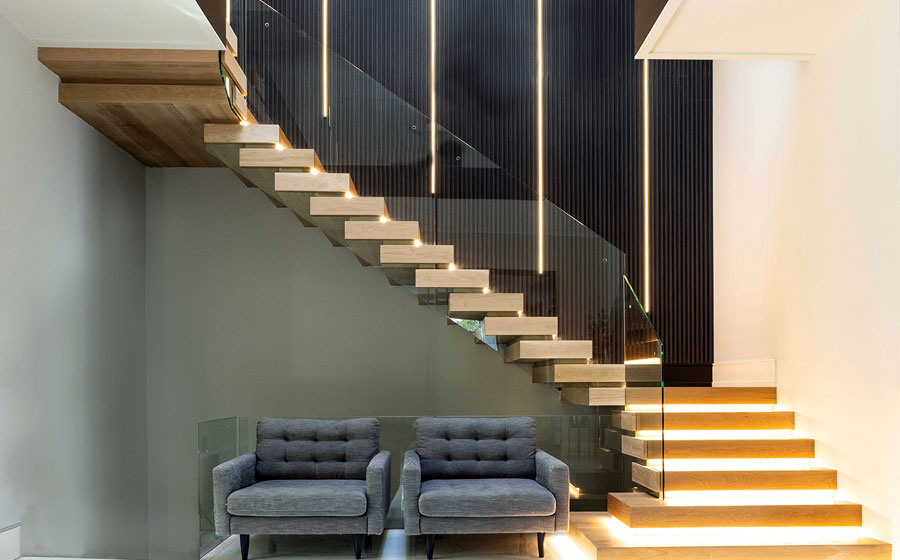
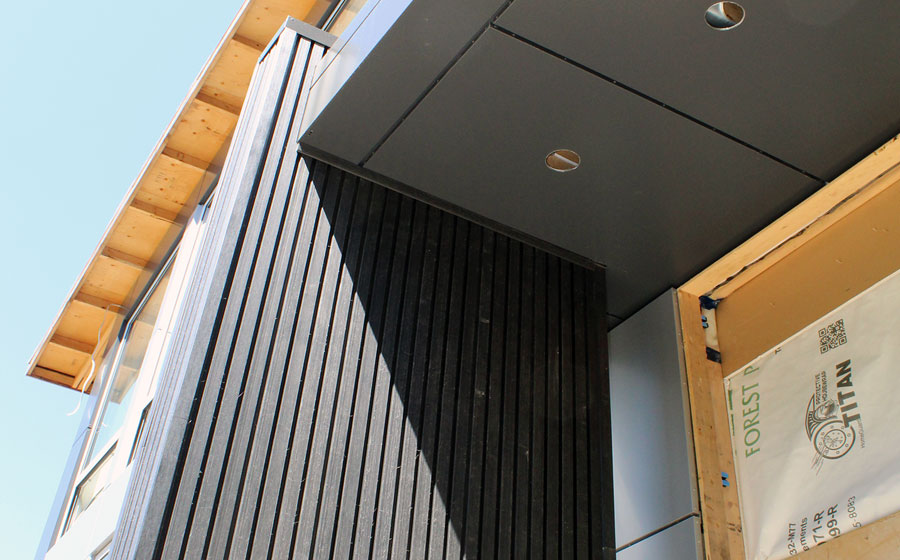
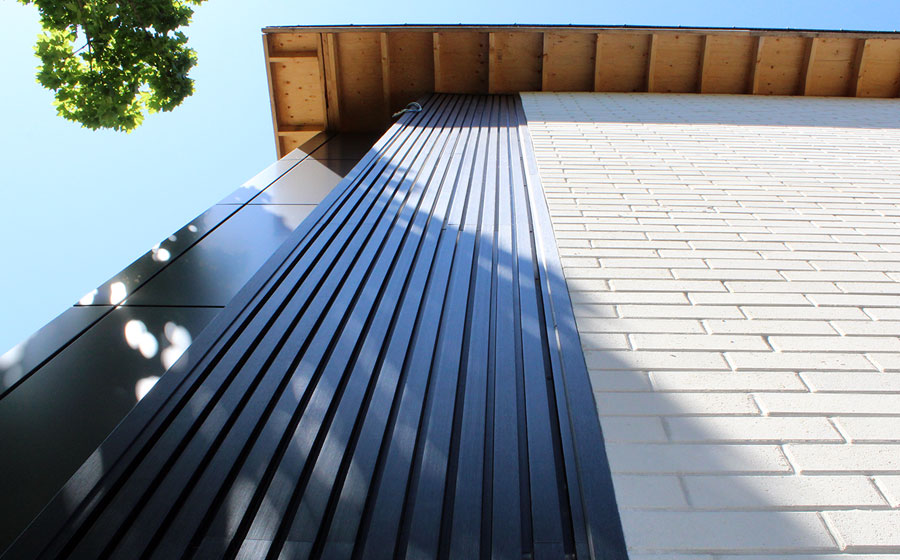
WPC panels offer remarkable versatility, allowing them to be used across a variety of applications. From feature walls and ceiling treatments to cabinetry and decorative partitions, they can adapt to both residential and commercial settings. Their ability to complement different design styles—whether minimalist, industrial, or contemporary—makes them a flexible solution for designers seeking cohesive and innovative works. This adaptability ensures that WPC panels can meet the evolving demands of modern design trends.
Supporting Sustainable and Efficient Design
As sustainability becomes a growing priority in design, WPC panels present an environmentally conscious option. Often made from recycled materials, they contribute to reducing the demand for natural wood while minimizing waste. Additionally, their long lifespan and low maintenance requirements further enhance their sustainability profile. Designers aiming to create eco-friendly environments can leverage WPC panels to achieve both aesthetic and environmental goals without compromise.
Conclusion
WPC panels have transcended their original role as a wood alternative to become a powerful tool in modern design. By offering durability, versatility, and sustainability alongside a wide range of design possibilities, they enable designers to create spaces that are both functional and visually compelling. As the demand for innovative and reliable materials continues to grow, WPC panels are poised to play an increasingly important role in shaping the future of both interior and exterior environments.
Keywords: WPC panels, modern interior design, exterior design, wood alternative, durable materials, feature walls, sustainable design, interior applications, exterior applications, decorative panels, contemporary design, composite materials