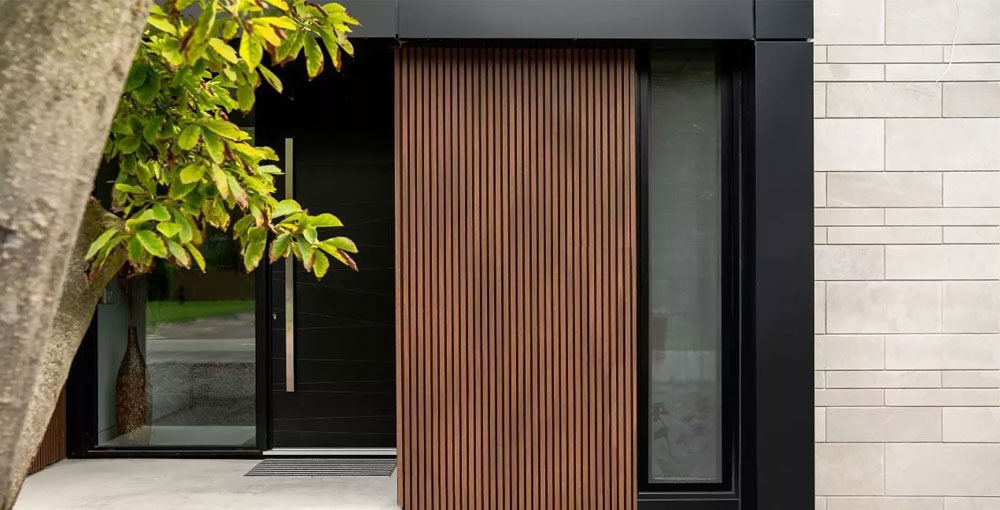
Choosing the right wall material is an important decision for any construction or design project, and wood plastic composite (WPC) wall panels have become a popular option due to their versatility and modern appearance. However, before selecting WPC panels, it is essential to understand several key factors that can affect their performance, appearance, and long-term value. While WPC panels offer many advantages, not all products are the same, and careful consideration helps ensure the best results for your specific needs. From material quality to installation requirements, informed choices lead to better durability, aesthetics, and satisfaction.
One of the most important aspects to consider is the quality and composition of the WPC panels. WPC panels are made from a blend of wood fibers and plastic polymers, but the ratio and manufacturing process can vary significantly between brands. High-quality panels typically contain a balanced mix that provides strength, stability, and resistance to moisture. Poor-quality panels may warp, fade, or crack over time, especially in demanding environments. It is also important to check whether the panels include UV protection, anti-fungal additives, or fire-retardant properties, particularly for outdoor or commercial applications.
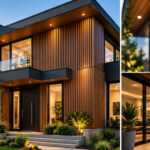
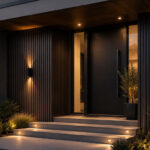
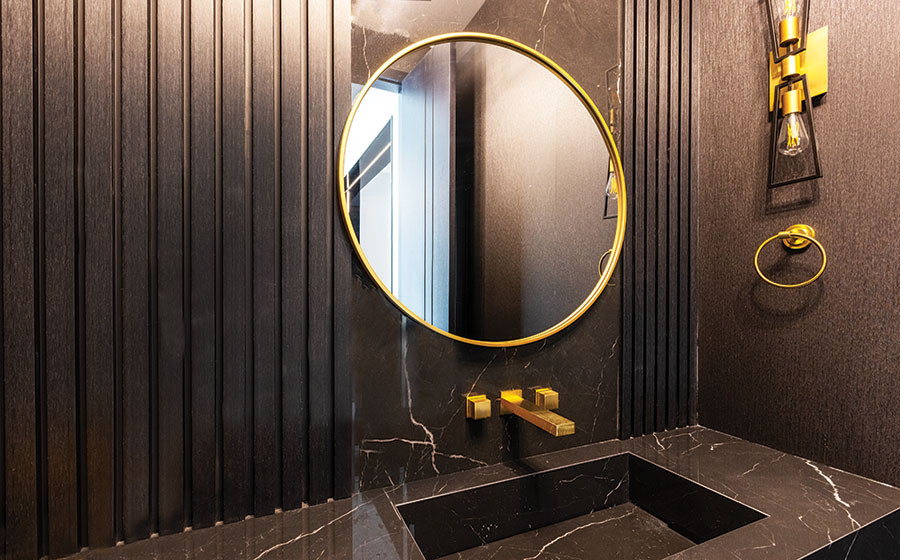
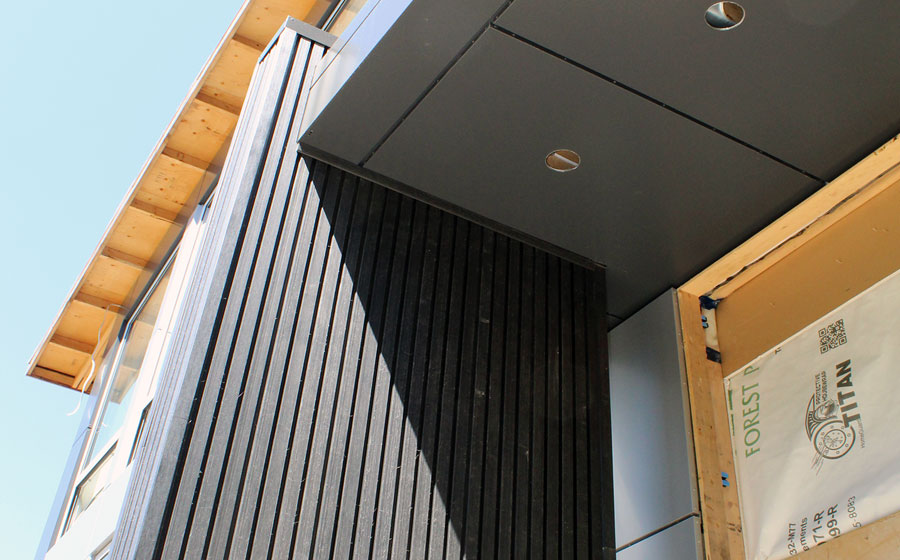
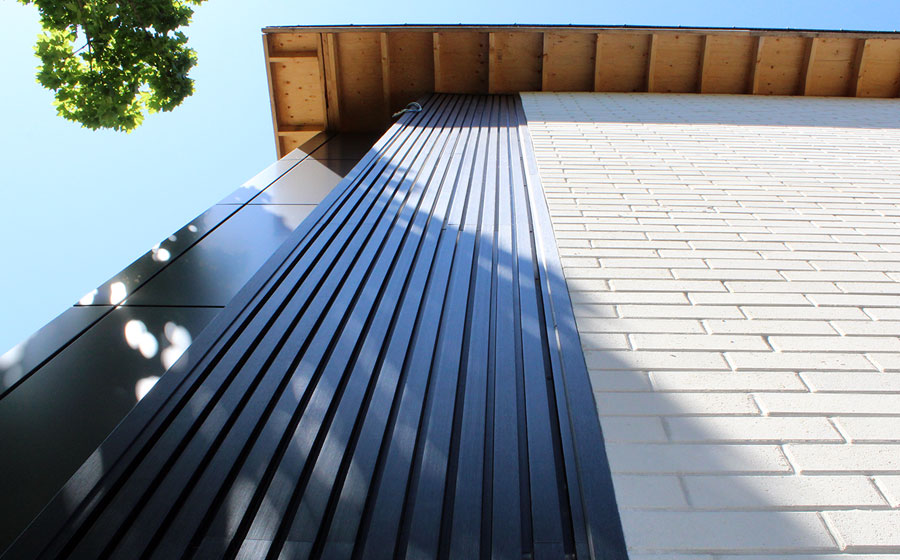
Another key factor is the intended application and environment. WPC wall panels are used for both interior and exterior spaces, but not every panel is suitable for all conditions. Panels designed for indoor use may not withstand prolonged exposure to sunlight, rain, or temperature changes. For exterior walls, facades, or balconies, weather resistance and durability are critical considerations. Similarly, in high-humidity areas such as bathrooms or kitchens, moisture resistance becomes essential. Understanding where and how the panels will be used helps in selecting the correct type and specification.
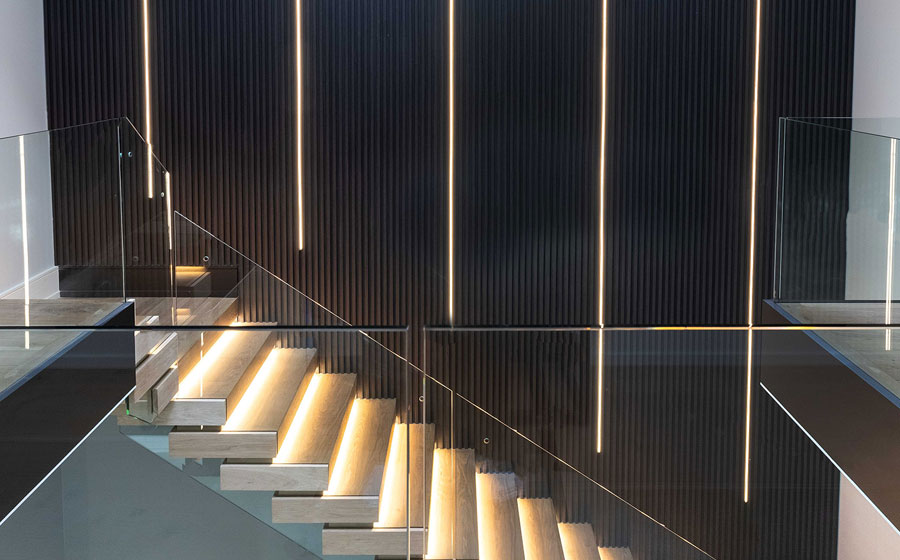
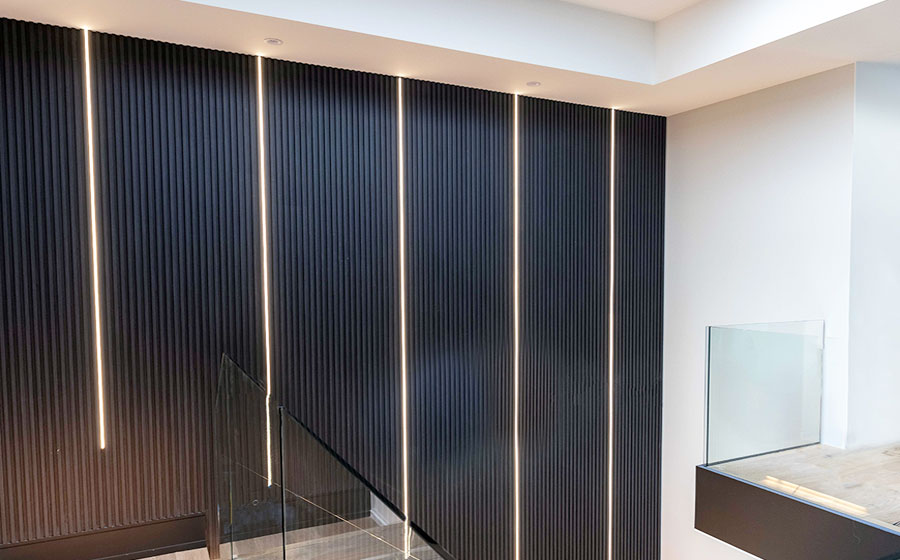
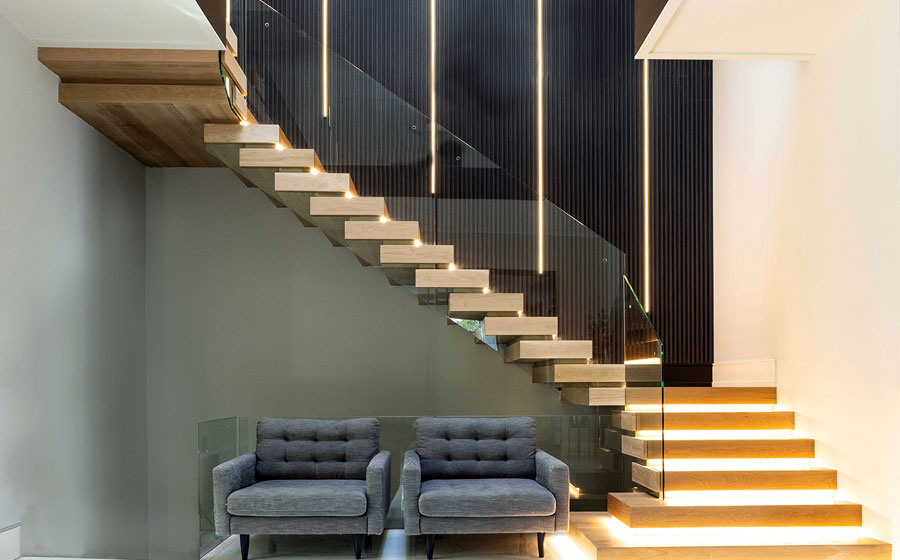
Design, appearance, and customization options also play a significant role in the selection process. WPC panels are available in a wide range of colors, textures, and finishes that can mimic natural wood, stone, or modern decorative styles. When choosing panels, consider how they will complement the overall design theme of the space. Texture, panel width, surface finish, and color consistency can greatly influence the final visual result. It is also wise to consider whether the panels can be easily cut, shaped, or combined with other materials to achieve the desired design outcome.
Finally, installation, maintenance, and cost should be carefully evaluated before making a decision. Some WPC panels are designed for quick and simple installation, reducing labor costs and project time, while others may require specialized systems or professional installers. Maintenance requirements are generally low, but it is still important to understand cleaning methods and long-term care. While the initial cost of WPC panels may be higher than traditional materials, their durability, low maintenance, and long lifespan often provide better value over time. Choosing panels with warranties and reliable supplier support further ensures a confident investment.
Keywords: WPC wall panels, wood plastic composite, durability, moisture resistance, interior design, exterior cladding, installation, maintenance, sustainability, decorative panels