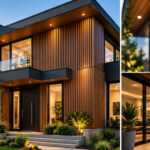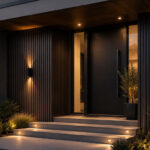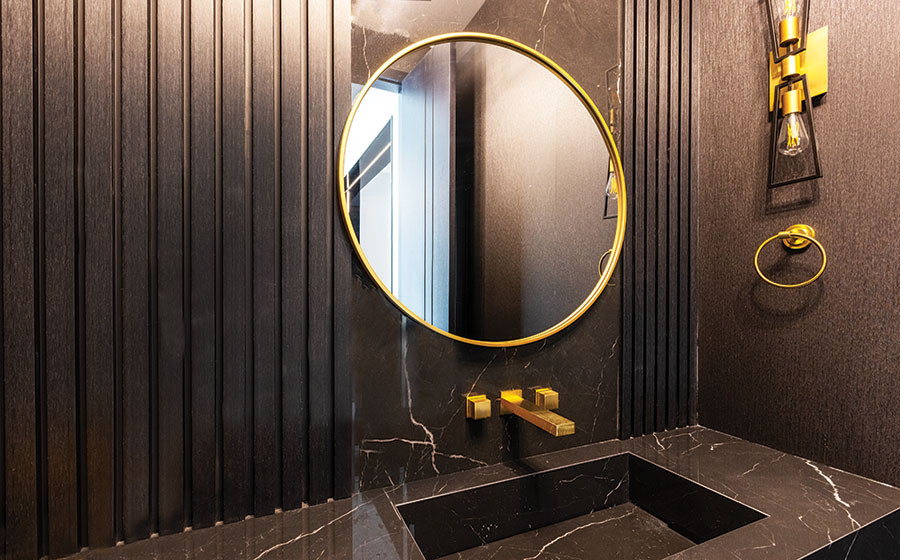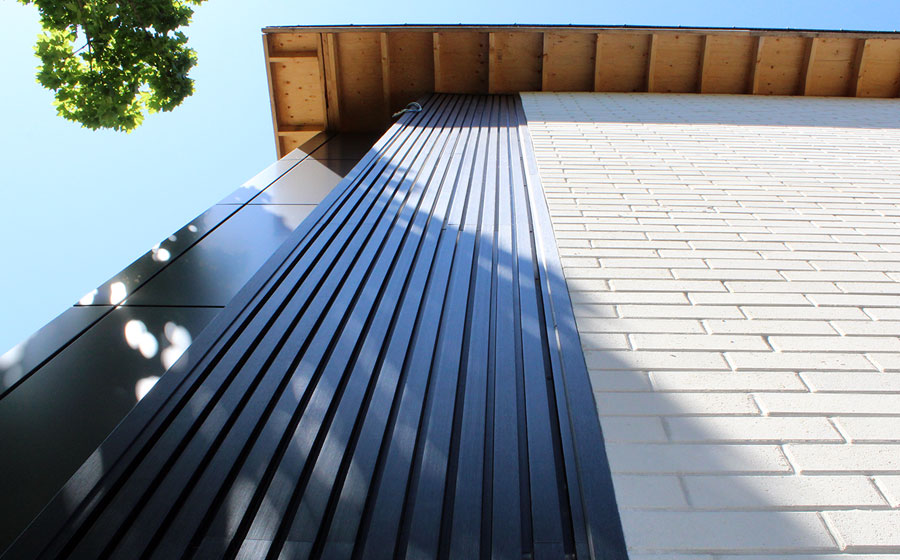

When it comes to enhancing your home’s privacy, aesthetics, and ventilation, louver privacy screens are an excellent choice. These angled slat panels offer a modern, sleek look while maintaining airflow and blocking unwanted views. However, with a wide variety of materials, styles, and installation methods available, choosing the right louver screen for your residential project can feel overwhelming. This guide will help you navigate key considerations to ensure you select the most suitable option for your home.
1. Consider the Purpose and Placement
Before choosing a screen, define your main goals. Are you looking for increased privacy for your backyard, shading for your patio, or a decorative feature for your balcony? The location and purpose of the screen will influence the size, angle of the louvers, and level of opacity you’ll need. For example, wider louvers might be better for ventilation and light control, while tighter spacing will offer more privacy. Outdoor applications also demand weather-resistant materials to withstand sun, rain, and humidity.
2. Evaluate Material Durability and Maintenance Needs
Louver privacy screens come in various materials like wood, metal, and advanced composites. For residential use, especially outdoors, consider screens made from high-density, impact-resistant, and UV-stable materials. These options resist fading, warping, and termite damage, making them ideal for long-term use. Look for products that require no painting, sealing, or gluing — this reduces maintenance costs and saves you time. Choosing a screen with strong material performance ensures your investment will last for years with minimal upkeep.
3. Focus on Installation and Design Aesthetics
Finally, ease of installation and design compatibility are important. Some louver systems are DIY-friendly and can be installed quickly with minimal tools, reducing labor costs. Choose colors and finishes that complement your home’s architectural style. Neutral tones like charcoal, grey, or wood grain finishes often blend well with modern or traditional homes. A well-chosen screen not only improves privacy but also adds a stylish architectural element that increases your property’s value and visual appeal.
Keywords: louver privacy screens, privacy, aesthetics, ventilation, angled slat panels, modern design, airflow, unwanted views, materials, styles, installation methods, residential project, purpose, placement, backyard privacy, patio shading, balcony decoration, size, louver angle, opacity, wider louvers, ventilation control, light control, tighter spacing, weather-resistant materials, wood, metal, composites, durability, maintenance, UV-stable, impact-resistant, fading resistance, warping resistance, termite damage, no painting, DIY installation, design compatibility, colors, finishes, architectural style, property value, visual appeal